The value of a donation starts before it reaches the shop
A stock donation only becomes income if there is demand for it, it is in a condition that allows it to be sold, and the charity has a viable route to market it. That makes the quality of donated stock increasingly important.
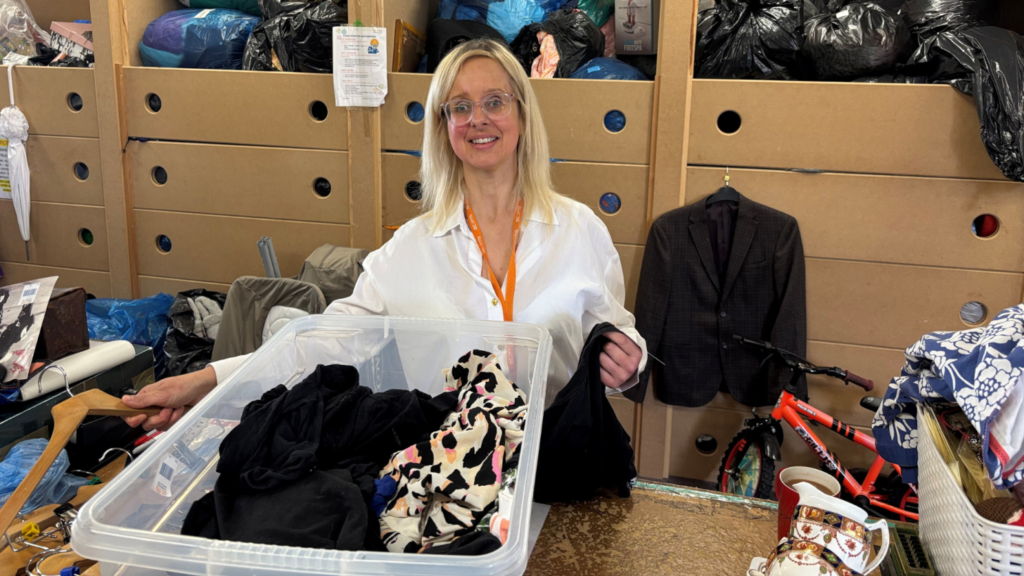
Clean, complete, safe and good-quality items have a greater chance of finding a new owner through our shops. That means more of the original donation can translate into income – and ultimately care – rather than becoming a cost to manage. And this is not about asking people to give more.
As Gary puts it: “We’re not asking people to give more, but just to take a few extra considerations.”
Before bringing something to an Acorns shop, supporters are being encouraged to ask themselves:
Is it clean? Is it complete? Is it safe? Is it in good enough condition for somebody else to buy and use? Would you be happy to give it to a friend or family member? That small check can make a meaningful difference.
There is also a sustainability consideration.
Keeping more donated goods in circulation means extending the life of products and making better use of the resources already embedded within them. For charity retailers, waste reduction and income generation are not separate conversations. They are closely connected.
The more items that can be sold, the more money can be raised for the cause, while more pre-loved items get the chance to find a new home.
Changing the donation conversation
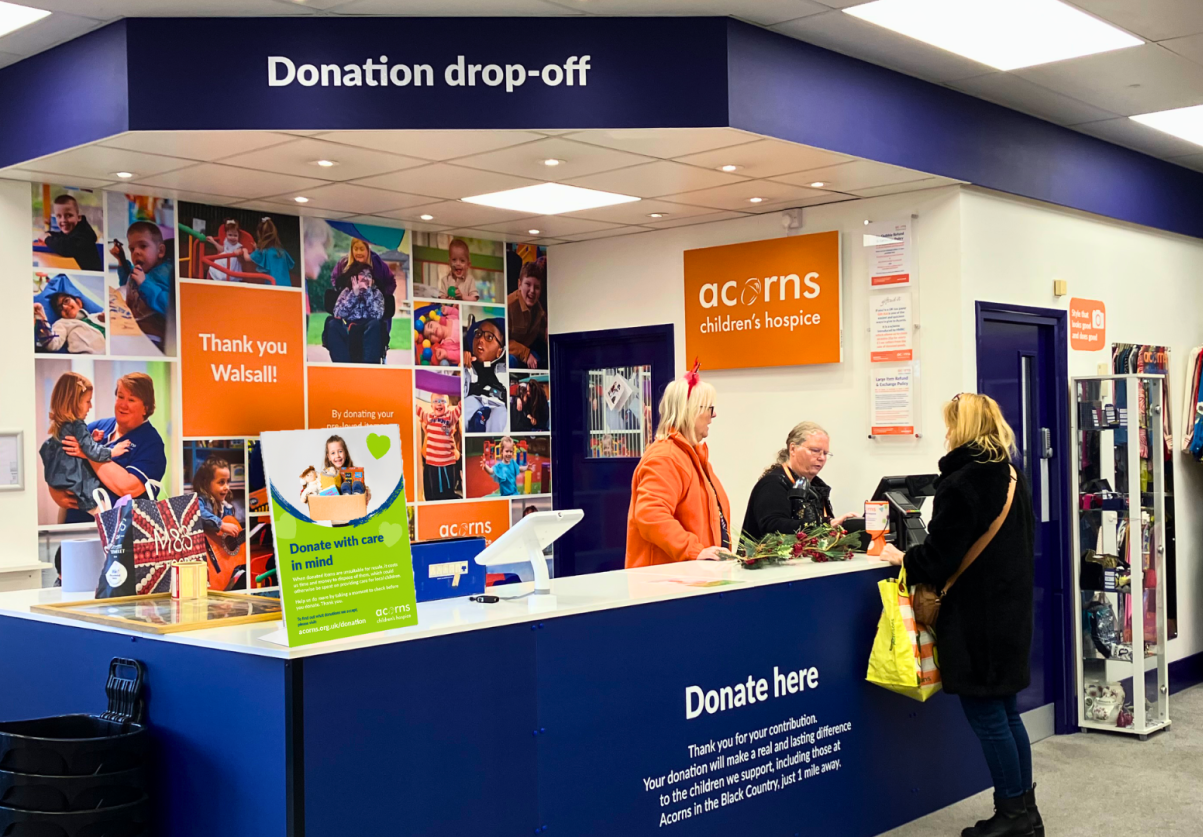
This is why donor education matters. At Acorns, we’re introducing new resources in our shops and online to help people understand what we can accept and, importantly, what makes a useful donation. You can find a full guide to the items we accept here.
The aim isn’t to discourage people from donating and not for a single moment do we take for granted the impact of donated goods. Every day our shelves, rails and shop floors and packed with great-quality items kindly donated that once sold turn into care for local children and families. Our shops continue to thrive because of the generosity of our donors, shoppers and supporters.
These measures are to help donors understand the journey their items take once they leave their hands, and the difference that the quality of a donation can make.
As Gary says: “The better the quality of the donations we receive, the more money we can raise to support children and families, helping make sure generosity goes as far as possible.”
It’s a relatively simple intervention, but one that could help address a much bigger challenge: how do we maximise the value of every donation while minimising the cost and waste associated with those that cannot be sold?
From volume to value
The 3,000 tonnes figure tells only part of the story. For charity retailers, the more meaningful question may be what happens to that stock once it arrives. How much can be sold? How much can be reused or recycled? How much does it cost to process? And how much ultimately becomes income for the cause?
At Acorns, around two-thirds of our donated stock is sold through our shops. We’re now looking at how we can improve that proportion and make more of every donation.
Our retail network raises more than £2 million towards the £14 million it costs to provide our care each year. That makes every sale, and every donation that can become a sale, important. Because the future of charity retail isn’t simply about attracting more donations.
It’s about creating more value from the donations we already receive. And that means thinking about the entire journey, from the moment someone decides to donate an item to the moment that item finds its next owner.
Donate with care. Help make generosity go further.